Dust-Mite Safe Bedding & Fabrics

Protect your sleep environment with specialized covers and hypoallergenic materials

Mattress and Pillow Covers

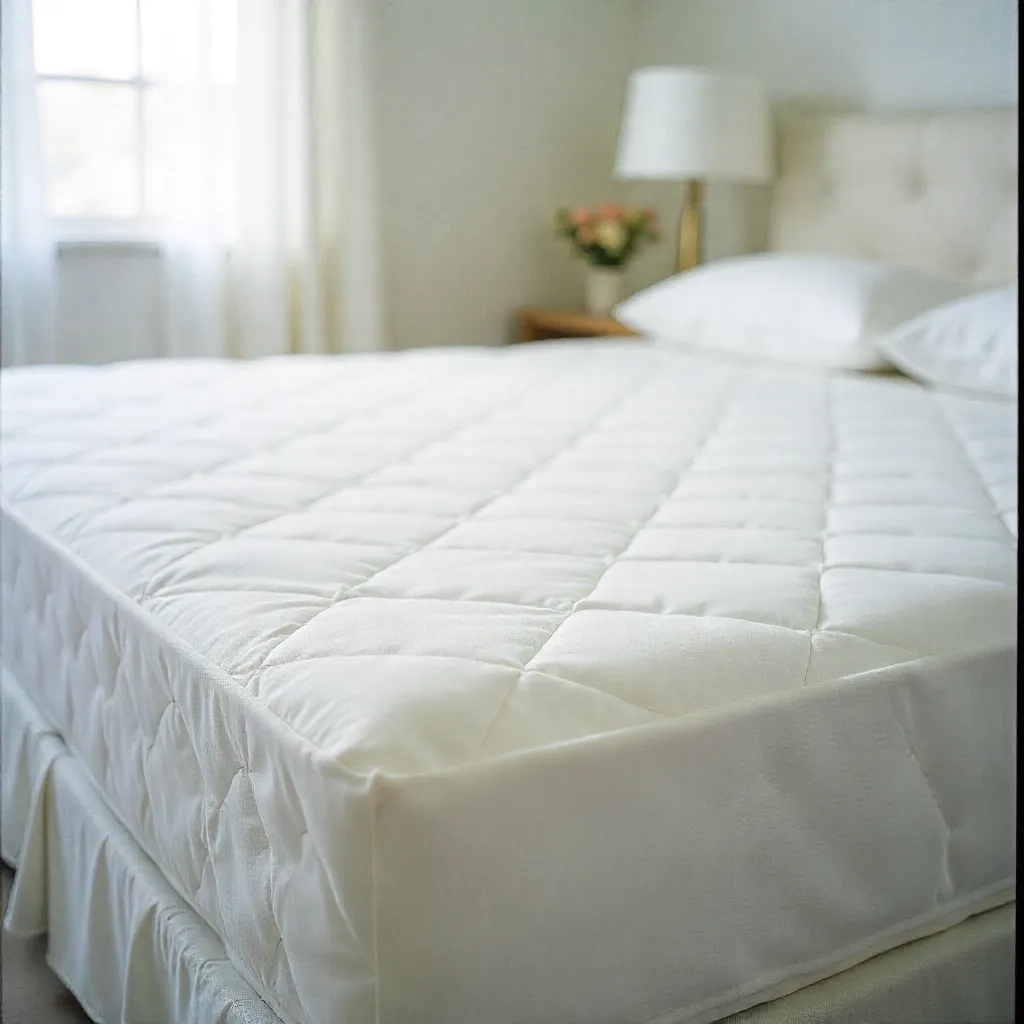
Protective mattress encasement system

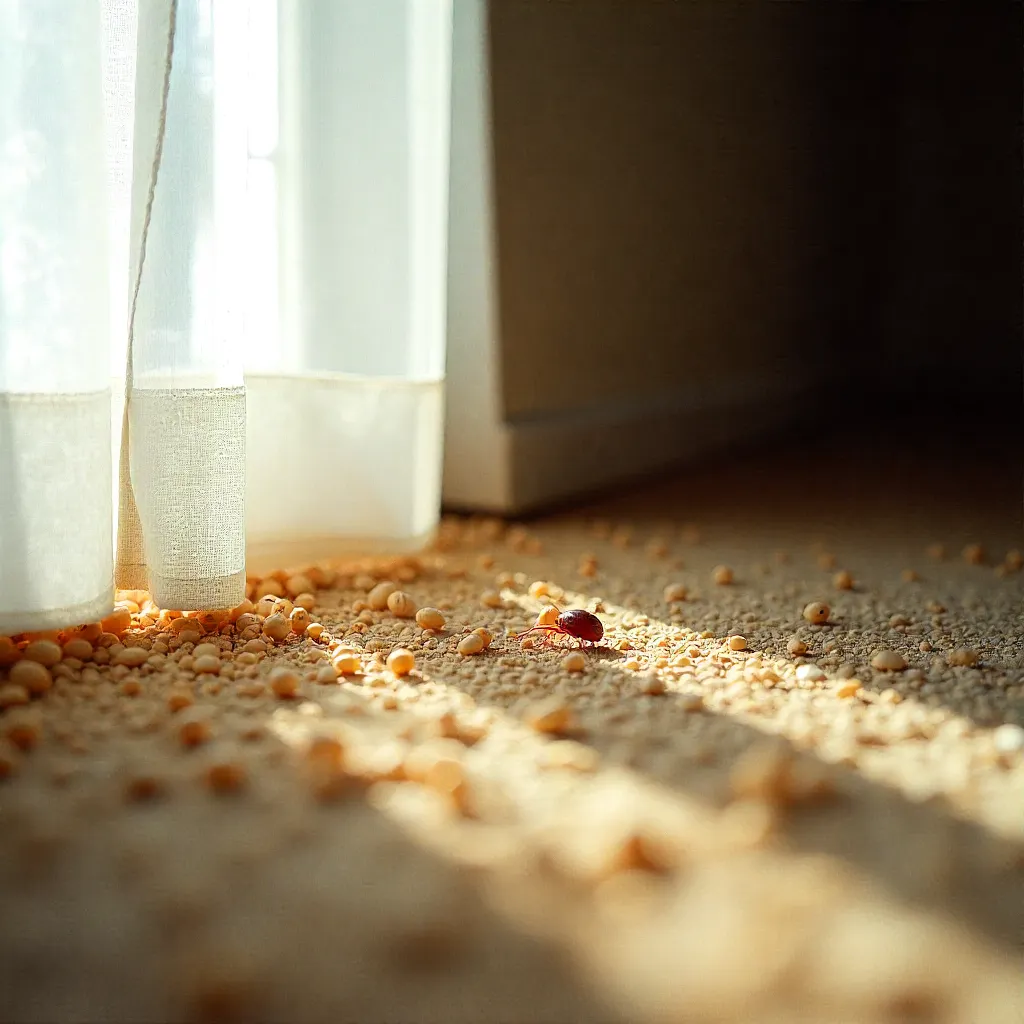
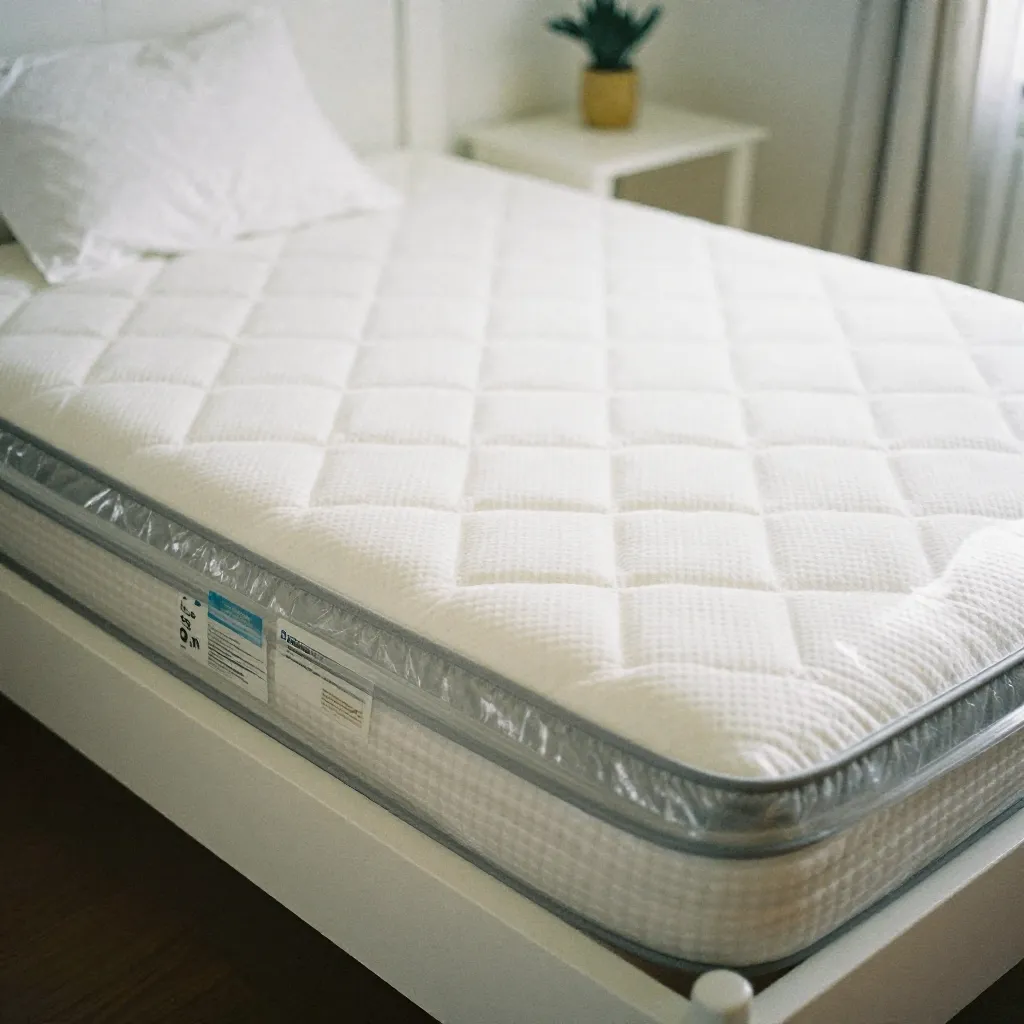
High-quality mattress and pillow encasements create an impenetrable barrier between you and dust mites. These specialized covers are designed with tightly woven fabrics that prevent microscopic organisms from entering or exiting your bedding.

When selecting covers, look for materials that are both breathable and waterproof. The best options feature zipper closures that completely seal the mattress, ensuring no gaps where allergens can penetrate. Regular washing of these covers is essential, typically every two to three months, to maintain their protective properties.
Allergen Protection Rating: 95%

Hypoallergenic Sheets

Choosing the right bedding materials can significantly impact your indoor allergen levels. Hypoallergenic sheets are typically made from natural fibers like organic cotton, bamboo, or microfiber that resist dust mite colonization.

  • Organic cotton with tight weave prevents particle accumulation
  • Bamboo-derived fabrics offer natural antimicrobial properties
  • Microfiber materials create smooth surfaces that are easy to clean
  • Regular washing at high temperatures eliminates existing allergens

For optimal protection, wash sheets weekly in hot water (at least 130°F) and dry them completely. This routine helps eliminate dust mites and their waste products that accumulate over time.

Furniture Fabrics

Allergy-safe upholstery materials

Upholstered furniture can harbor significant amounts of dust mites, especially in areas with high humidity. Selecting the right fabric types and implementing protective measures can reduce allergen exposure from your furniture.

Leather and vinyl surfaces are naturally resistant to dust mites, as these materials don't provide the organic matter that mites need to survive. For fabric-covered furniture, choose tightly woven materials and consider using washable slipcovers that can be regularly cleaned.

Ease of Cleaning: High

Curtain Materials

Window treatments can accumulate dust and allergens over time, making material selection crucial for allergy-friendly homes. Lightweight, washable fabrics are ideal for maintaining a clean environment.

Consider these options for your window treatments:

  • Machine-washable cotton or polyester blends
  • Blinds made from non-porous materials like aluminum or vinyl
  • Roller shades that can be easily wiped clean
  • Minimal fabric treatments that reduce dust accumulation

Regular cleaning of curtains every two to three months helps prevent allergen buildup. For fabric curtains, use hot water washing when possible, and ensure complete drying to prevent mold growth.

Rugs and Carpets

Low-pile area rug suitable for allergy prevention

While wall-to-wall carpeting can be challenging for allergy management, area rugs can be managed effectively with the right approach. Low-pile rugs made from synthetic materials or tightly woven natural fibers are easier to clean and less hospitable to dust mites.

Key considerations for rug selection include:

  • Low pile height reduces allergen retention
  • Washable or easily vacuumed materials
  • Synthetic fibers that resist moisture absorption
  • Regular professional cleaning for deep-pile options
Dust-Proof Barrier Effectiveness: 90%

Protection Ratings

Ease of Cleaning

Materials rated for simple maintenance and regular washing capabilities.

High Rating

Allergen Protection

Effectiveness in creating barriers against dust mites and their waste.

95% Protection

Dust-Proof Barriers

Illustration of how protective covers prevent allergen penetration.

Secure Barrier